⭐⭐⭐⭐⭐ Online guitar lessons with Andrew has been such an excellent experience. He is a wonderful teacher. He takes the time to explain things, has absolute command of the subject, and is an artist at heart who loves music. I look forward to our lessons every week. After going though two previous teachers, I feel lucky to have found Andrew. I'd highly recommend him to every student. - Buddhadeb Ghosh
The first question comes from guitar student Bill H. in California.
He would like to start some ear training and note recognition to help him become a better guitarist and overall better musician.
QUESTION:
Andrew, We talked about intervals and hearing notes. I think this is something I need to improve on and wanted to know if you have exercises or suggested ways/programs to help in this area. I have seen “Ear Training” programs but when I have looked at reviews they never seem very consistent in regard to their effectiveness.
ANSWER AND MINI LESSON:
Here is what you need to know to start ear training.
After you've read through my write up below, your mind will be 'in tune' with how we speak about pitches we hear and you'll be cleared for takeoff!
Ear Training Basic Theory - Step 1: Pitch
The major scale is the basis of all western music, and started with (I think) Gregorian monk chants.
Everything in music of the western world is based on the intervals contained in the major scale. And I mean literally everything. The major scale is one cement foundational building block that absolutely all future and other scales are built on. And, the major scale is the scale from which we train our ears.
Do I need to know music theory to train my ear?
Yes, a little. There are many very good musicians who can just hear and recognize pitches and play those tones on the guitar. They have to hunt and peck around on the fretboard a lot to keep up with their developing ear.
When they decide they’re fed up with hunting and pecking around, they usually learn how music theory works on the fretboard.
it is absolutely impossible to put labels on what your ears are gonna tell you without some basic theory. We’ll need language to identify what our ears are telling us.
You don’t have to be a theory expert. Just the basics are fine.
You’ll hear me say this a lot in music lessons of any kind: The three essential elements of music - and this includes learning guitar - are
- Pitch
- Rhythm
- Dynamics
- All chords and scales in western music flow from the major scale.
- All musical expression flows using the three essential elements of music: Pitch, Rhythm, and Dynamics.
Pitch is how high-pitched a note sounds to your ear and how low-pitched a bass-like note sounds to your ear, and everything in between.
We learn pitch relatively. Meaning, first we listen to a note. Then, that note stops and we listen to another note. Was the second note higher or lower than the first note? We start with that very basic recognition.
Now - how will we communicate the distance our ear hears between the lower note and higher note?
That’s where we learn and apply “intervals”.
The interval is the math we use to define the difference in pitch. It’s how we identify the distance between two notes.

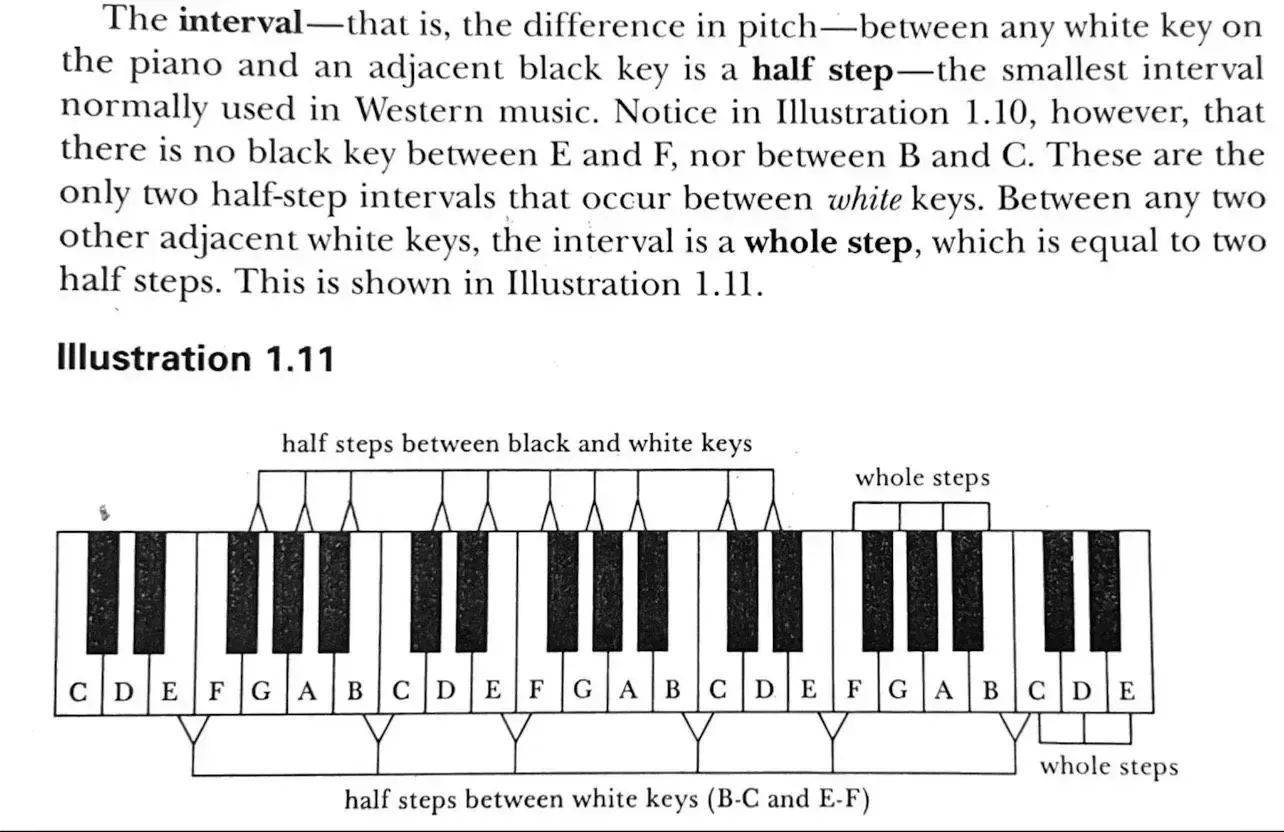
On Guitar we don’t have black keys. Everything is linear.
Look only at one string at a time. Please don't jump from string from string quite yet. Literally just play up and down a string. Any one string at a time.
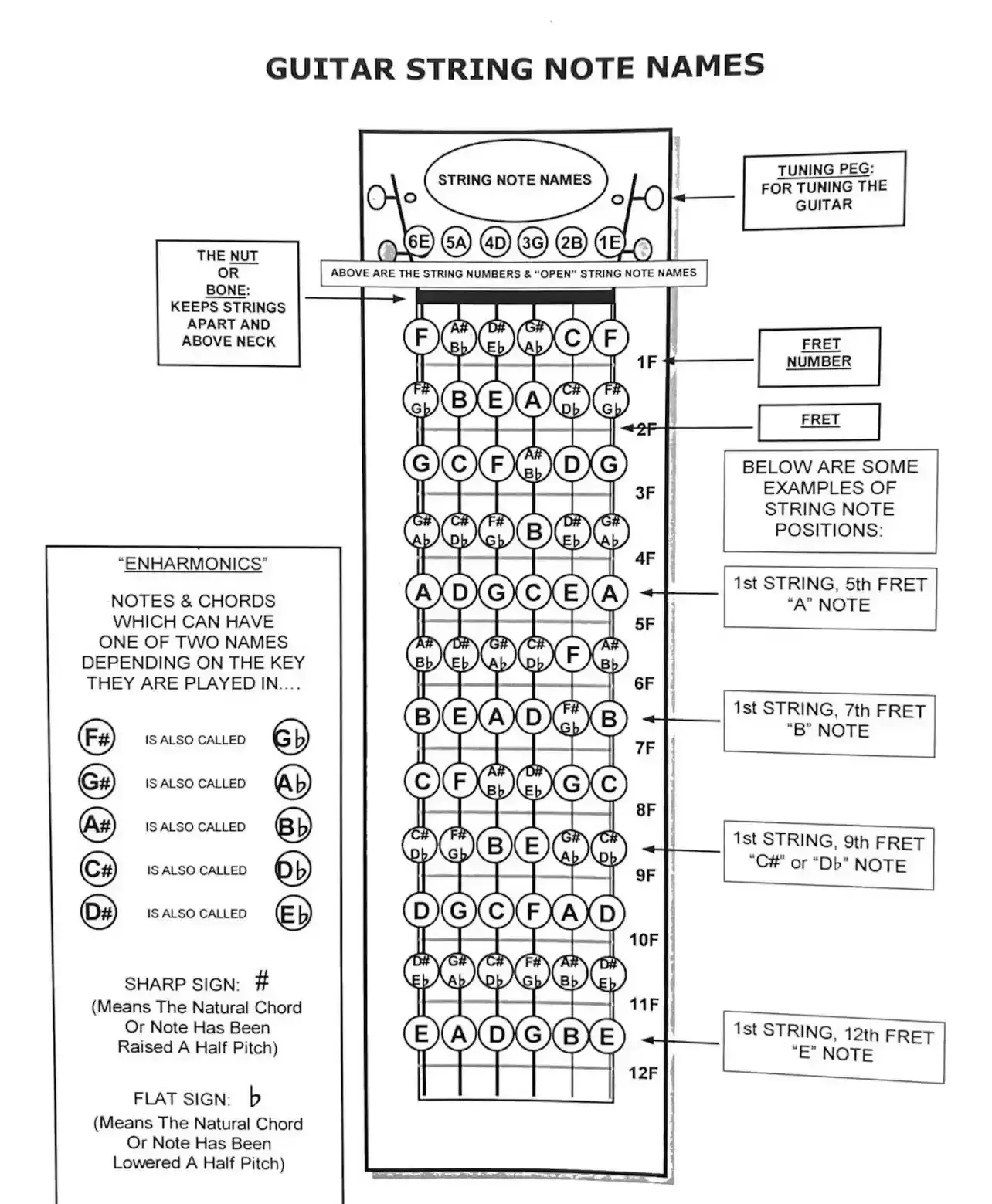
The distance between two adjacent frets is a half step. The half step is the first, and most important, interval to learn and hear. That’s the smallest interval in western music.
Look at the diagram below and please notice that when you move only one fret up or down it’s called a half step.

A half step is NOT the smallest interval in eastern music. Turkish music, sufi singers, Indian music, Egyptian music and the like have actually even SMALLER intervals. You should see their guitars. Some of them have 32 frets! And even little “half frets” nestled between normal frets. I know, it seems crazy to me, but the guitar is just an extension of the human voice when you play one note at a time, and that’s how the Sufi singers sing. So, they make their guitars to sing the same eastern scales their cultural singers do.
We should first explore pitch. That is the start of ear training.
Once you feel good about this week's answer, I will write to you about what rhythm and dynamics really are.
Think of it this way.
Music cannot be expressed with pitch alone. That is impossible. You must have a rhythm to express the notes. And, you must have dynamics (loud, soft…fluid and connected or short and spiky notes).
Every song that has ever been written, even when a mother sings a lullaby into the baby’s ear softly while rocking has all THREE elements - pitch, rhythm and dynamics.
This concludes the basic theory of what a pitch is and how we talk about it.
rELATED POST
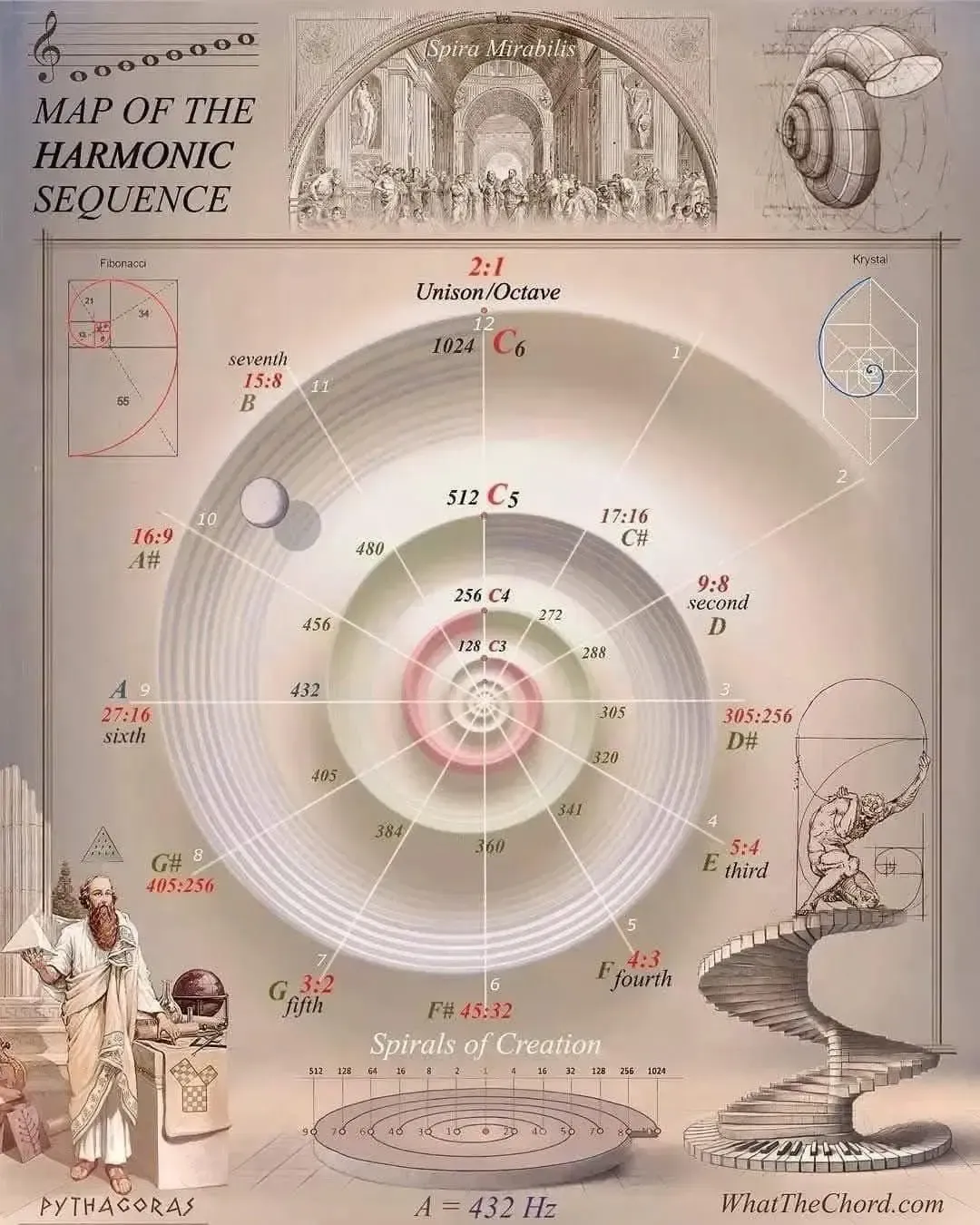
Music is Deeply Rooted in Mathematics
Recital Review
This past weekend, 518 Guitar hosted a special event that brought together students, friends, and family for a memorable afternoon of music, community, and fun. Held in the private room of Lynn's Uptown Pub in Albany, the event provided an incredible opportunity for students to showcase their talents, regardless of age or experience level.
Should I Leave my Guitar in the Car?
NO, no and no.
Never Too Late: Why Adults Should Embrace Guitar Learning for Brain Health and Beyond
In a world where the pursuit of new skills often seems reserved for the young, it's easy for adults to
Top Three Things Parents Need to Know About Music Lessons for Their Child
Music lessons can be a wonderful opportunity for children to explore creativity, develop discipline, and
The Perfect Gift: A Guide to Buying a Guitar That's Just Right!
Hello there, gift-giving maestros! Are you considering gifting a guitar to a loved one, but feel a
Real Questions from Real Students!
The first question comes from guitar student Bill H. in California. He would like to start some ear training
5 Tips For Creating A Killer Guitar Practice Routine
Whether you are taking guitar lessons or teaching yourself, creating a structured practice schedule is
What sets apart guitarists who succeed?
What sets apart guitarists who hop between programs that “don’t work” and guitarists who become success stories wherever they go?
Should My Left-Handed Child Play Guitar Lefty or Righty?
If your child is left-handed, you may be wondering if they should play a left-handed guitar or a right-
3 Ways to Keep Your Guitar Humidified This Winter
If you live in a place that experiences dry winters, you know how devastating dry air can be to your
3 Essential Elements of Music to Help You Play Guitar Fluently
I’ve been teaching Albany, NY guitar lessons (and online) for many years, with over 8,000 individual
Get Your Guitar Groove On This Summer with Albany Guitar Lessons!
How to get your kid to practice more
Is Talent a Myth?
Many people assume that talent is something you're born with and therefore, some musicians have an advantage over others because of this gift from God, or good genetics.
What You Need to Know Before Buying Your First Guitar
Choosing your first guitar (or the first guitar for a loved one) can be difficult, especially if you're doing it without any background knowledge of guitars or playing in general.
What you need to know about your guitar in the winter
The dry winter air can be hard on your guitar, but there are some precautions you can take to make sure it doesn't get damaged.
The FOCUS Method
Starting guitar as a hobby has never been so easy, engaging and fun! We live at an amazing time.
SPECIAL ANNOUNCEMENT - FREE COVID19 Guitar Learning Materials
Isolation can be so difficult. However, as the world continues to do its best to staunch the effects of the pandemic, this is a unique opportunity for us to learn an instrument! We can be home among the safety of our families and maintain a healthy routine.
Virtual Guitar Lesson
When I was featured in our NPR affiliate's Midday Magazine this summer, (WAMC.ORG) I was able to outline some learning needs as we live through an unforeseen age.
Aging and Guitar: How to Handle your Hands
Have you experienced increasing hand pain in our age of reliance on technology? Has it affected your guitar (or other instrument) playing?
Student Spotlight Episode 1: TRACE ELLIS
I'm SO EXCITED that our first "Student Spotlight" is complete! In this episode, we focus on guitar student Trace Ellis. Trace is a
Pandemic Practice Principles for Perfection!
So. You've got the time. You've got your instrument. You've got a computer, tablet or smartphone with a great connection.
How to Shop for a Beginner Guitar - A Quick Buyer's Guide
What you Need Before Buying a Beginner Guitar There are a few things to know before going online or heading out in person to purchase your first guitar, whether for yourself or a loved one.
Your First Guitar Lesson - How to Prep and What to Expect
Your Guitar Lesson - How to Prepare and What to Expect Today we are going to discuss how to prepare for your first guitar lesson.
What to Know Before Buying A Beginner Guitar
My purpose here is to be your beginner guitar buying guide.

Got Guitar Questions of Your Own?
Reach out now and get personalized answers and tips!
Our Location
158 Rosemont St, Albany, NY 12206, USA
(518) 878-5116
sunday
10:00 AM - 3:00 PM
monday
9:00 AM - 9:00 PM
tuesday
9:00 AM - 9:00 PM
wednesday
9:00 AM - 9:00 PM
thursday
9:00 AM - 9:00 PM
friday
8:00 am - 5:00 PM
saturday
10:00 AM - 3:00 PM